Discover the Vital Solutions Used by a Building Contractor for Your Following Task
When beginning on construction job, comprehending the series of services a building specialist supplies is vital. From preliminary appointments to predict handovers, these professionals guide clients via each stage. They supply important experience in compliance, monitoring, and layout. Understanding what to expect can make all the difference in achieving an effective end result. What certain services might be most advantageous for your upcoming endeavor?
Preliminary Assessments and Job Preparation
Initial consultations act as the cornerstone of effective task preparation in building service provider services (Building Contractors Somerset West). During these preliminary conferences, contractors engage with clients to understand their vision, timeline, and budget plan. This phase is vital for developing a clear range of work and determining any potential obstacles that may emerge throughout the building process
Service providers gather vital info concerning site conditions, neighborhood regulations, and called for permits. By reviewing the customer's assumptions, service providers can give beneficial insights and referrals, ensuring that the task straightens with the customer's goals. The relevance of interaction in this phase can not be overemphasized, as it prepares for cooperation in between the customer and professional.
Additionally, efficient initial examinations aid specialists develop a thorough task strategy that details essential sources, timelines, and price price quotes. This aggressive method lessens misconceptions and establishes the phase for a smoother building and construction experience, inevitably leading to an effective task outcome.
Design and Architectural Services
Style and architectural solutions play a crucial role in changing a client's vision right into a substantial reality. These services encompass a thorough variety of activities, from first concept growth to detailed style execution. Structure specialists frequently work together with skilled designers to develop blueprints that straighten with the client's needs while adhering to practical and visual considerations.
The design procedure typically starts with a thorough examination, permitting the service provider and client to go over choices, budget plan restrictions, and website specifics. Following this, designers create schematic designs and flooring strategies, guaranteeing suitable use area and resources. Throughout this phase, alterations might take place to refine the vision better.
Additionally, building specialists provide insights on materials and construction techniques that can improve the job's feasibility and sustainability. Eventually, effective layout and building services are important in making certain that projects not just meet client assumptions however additionally stand the examination of time in functionality and style.
Permitting and Regulative Conformity
Steering with the landscape of allowing and governing conformity is important for developing specialists, as it guarantees that projects follow neighborhood regulations and security standards. This procedure includes obtaining the necessary permits and making certain that all building and construction tasks fulfill zoning policies, building codes, and environmental standards. Service providers have to be fluent in the certain requirements of the jurisdiction in which they run, as these can vary considerably from one area to another.
Construction Monitoring and Guidance
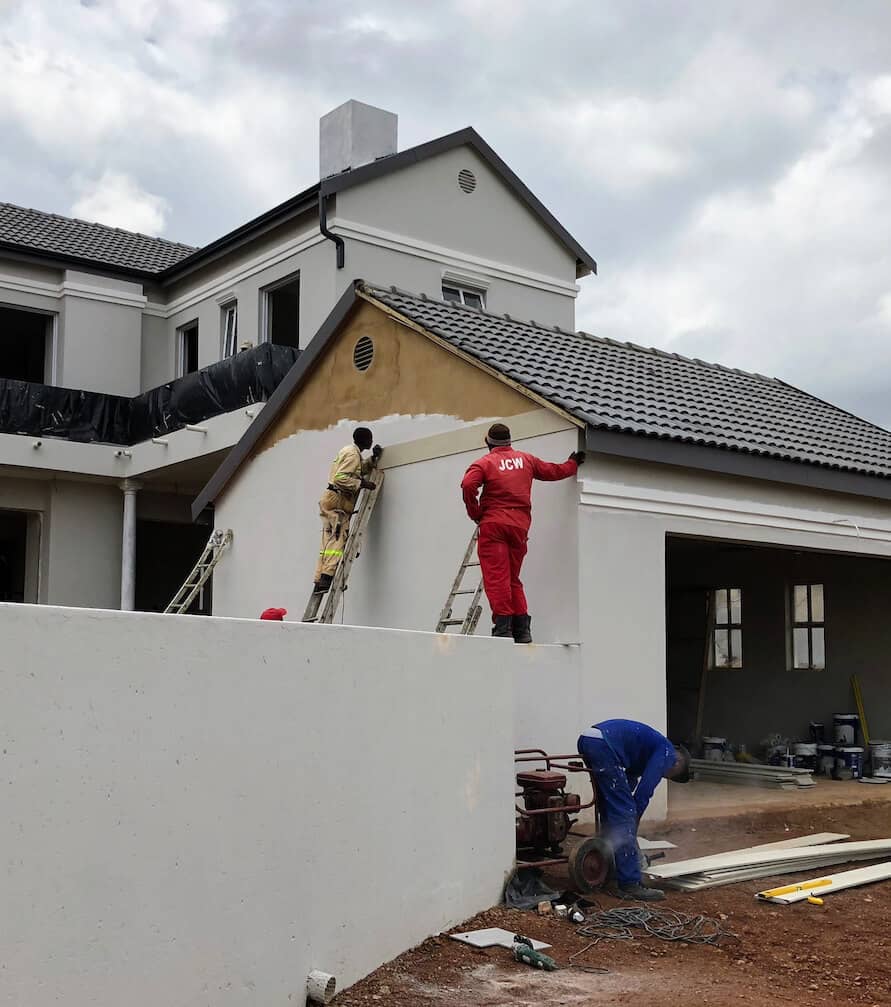
Reliable building administration and supervision are important to the success of any kind of structure project. These processes include the sychronisation and oversight of all aspects of building and construction, ensuring that jobs are finished effectively and according to strategy. Building professionals play an important duty in handling sources, budget plans, and timelines, while likewise alleviating risks that might emerge throughout building and construction.
Supervision includes monitoring everyday tasks on-site, guaranteeing safety requirements are fulfilled, and attending to any issues that might interfere with progress. A building professional's management cultivates interaction amongst numerous teams, consisting of vendors, clients, and subcontractors, which is necessary for maintaining process and achieving job turning points.
With meticulous planning and tactical problem-solving, construction administration and guidance not only boost functional performance however likewise add to the overall top quality of the ended up structure. Eventually, these services are important to delivering projects that meet client expectations and stick to established market requirements.
Final Examinations and Project Handover
As a project nears completion, last examinations and the succeeding project handover come to be important milestones that assure all facets of building fulfill regulatory requirements and client expectations. Throughout the final evaluation, constructing specialists carry out complete assessments of the job to validate conformity with local building codes, safety and security laws, and design specifications. This process frequently includes collaboration with examiners and might include resolving any kind of deficiencies determined.
When examinations are successfully completed, the job handover takes place, where the professional officially transfers possession and obligation to the client. This phase includes supplying needed documents, such as warranties, guidebooks, and maintenance standards. A thorough walk-through is normally conducted to familiarize the customer with the finished area. Effective final assessments and project handover not only foster client satisfaction but likewise improve the specialist's reputation, guaranteeing future company opportunities.

Regularly Asked Concerns

What Kinds of Projects Do Building Contractors Generally Manage?
Structure professionals generally take care of a range of projects, including household building and constructions, business structures, improvements, remediations, and framework developments. Their proficiency encompasses every little thing from style and preparing to implementation and project monitoring for varied building and construction requirements.
Just how Do I Pick the Right Building Contractor?
To pick the right structure service provider, one need to examine their experience, check references, contrast quotes, review qualifications, and assurance efficient communication. A comprehensive assessment of previous tasks can additionally provide useful insight into suitability for certain demands.
What Is the Typical Timeline for a Construction Project?
A click here regular construction task timeline differs, usually extending from a few months to over a year. Factors influencing period include project complexity, permits, weather problems, and professional performance, all influencing the overall completion time.
How Are Job Expenses Approximated and Handled?
Project costs are approximated via detailed calculations of materials, labor, and overhead. Management includes constant monitoring, readjusting budgets as needed, and employing software program tools to track costs, making certain economic effectiveness throughout the building and construction procedure.
What Should I Include in My Agreement With a Building Specialist?

When starting on construction task, comprehending the range of services a structure professional offers is essential. By talking about the client's assumptions, contractors can offer valuable insights and suggestions, making sure that the job aligns with the client's purposes. Additionally, developing service providers offer understandings on products and construction techniques that can boost the task's usefulness and sustainability. As a project nears conclusion, last inspections and the subsequent project handover become critical turning points that assure all aspects of building fulfill regulatory standards and customer expectations. Structure service providers typically take care of a range of tasks, including property buildings, commercial structures, renovations, repairs, and facilities developments.